
How to Successfully Plan Your Milwaukee Home Renovation: Tips and Strategies for Homeowners
Embarking on a home renovation project in Milwaukee requires meticulous planning. Careful preparation helps ensure the process runs smoothly, stays within budget, and results in a home that meets your expectations. This comprehensive guide outlines essential strategies for Milwaukee homeowners to effectively plan their home renovations.
Understanding the Local Context of Milwaukee Home Renovations
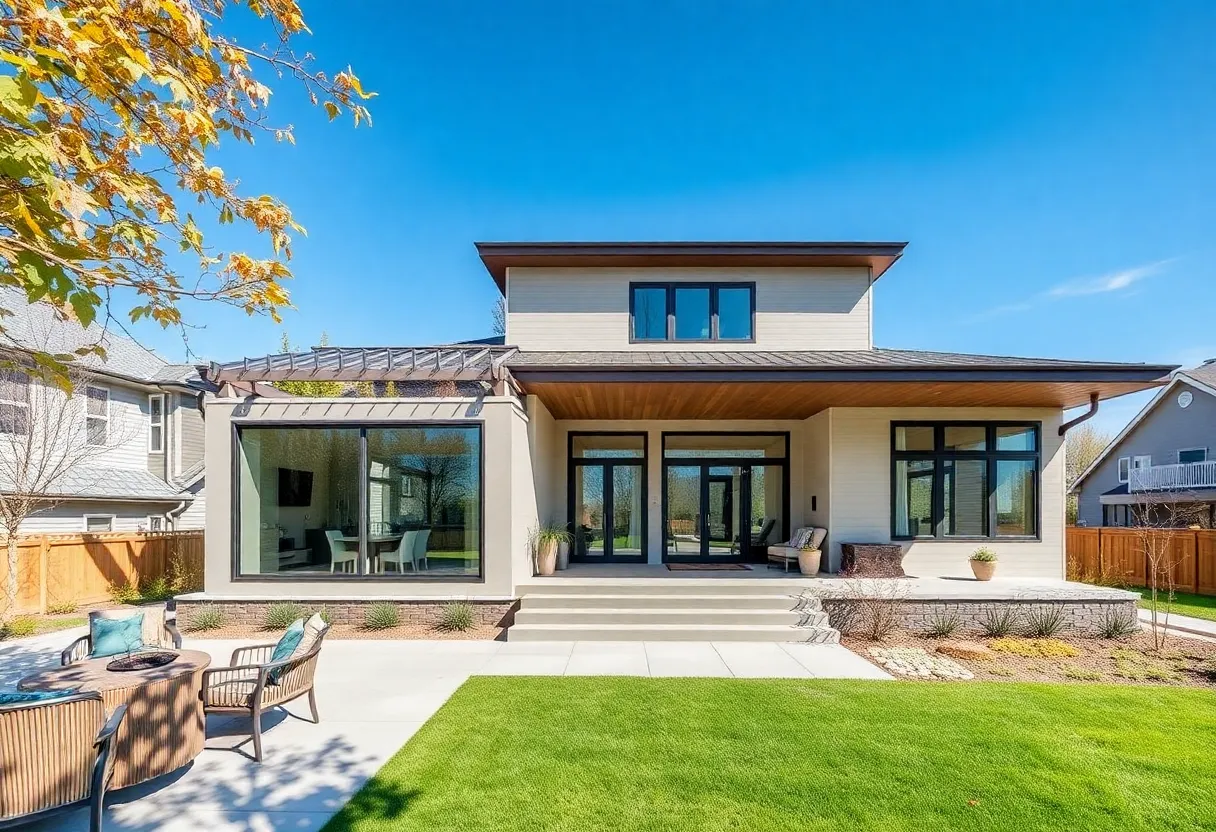
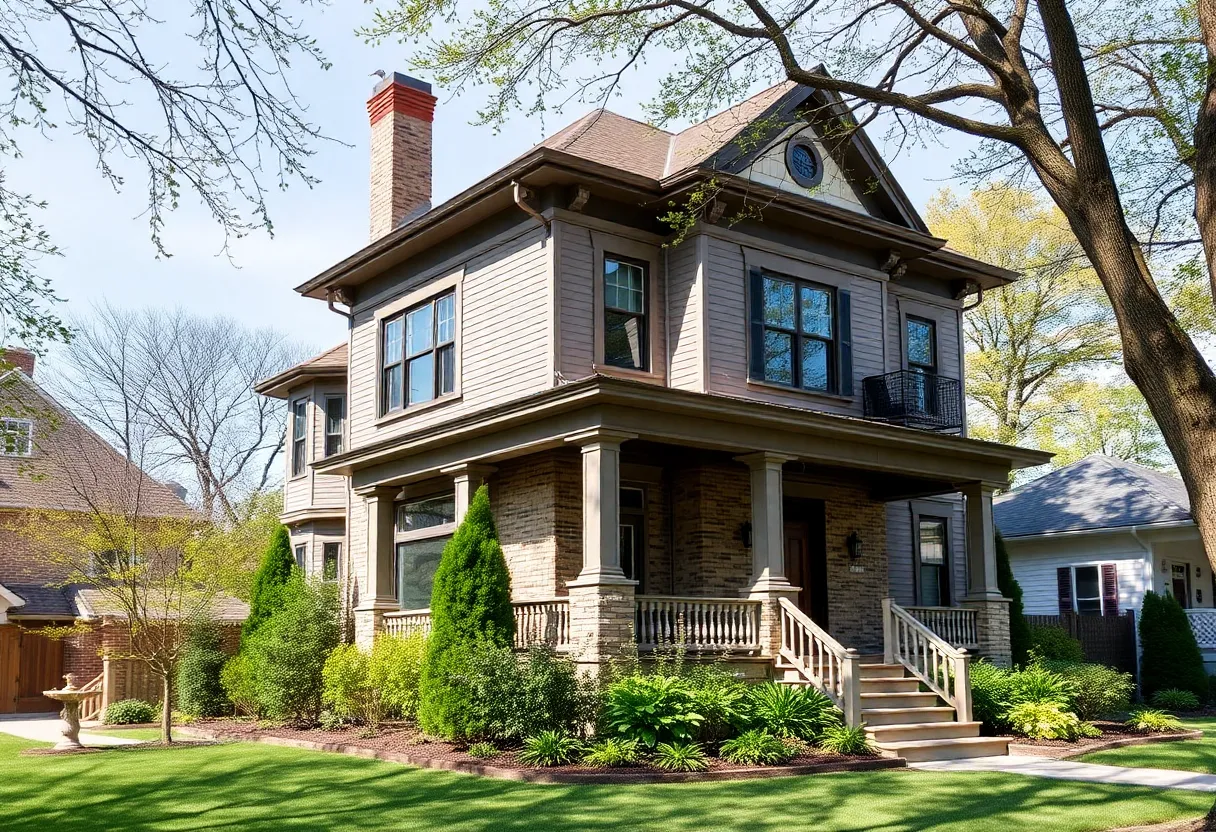
Milwaukee’s climate, architecture, and building codes influence renovation planning significantly. The area experiences cold winters with heavy snowfall, high humidity, and diverse architectural styles ranging from historic brick homes to modern developments. Recognizing these factors is critical to choosing appropriate materials and approaches.
Adherence to local building codes and ordinances ensures your project is compliant. Milwaukee has specific regulations related to structural modifications, energy efficiency, and historic preservation, especially in neighborhoods with historic districts. Consulting these regulations early prevents costly delays and legal issues.
Initial Planning Phase: Defining Goals and Scope
Set Clear Objectives
Start with identifying primary goals. Are you renovating for increased space, improved functionality, aesthetic upgrades, or energy efficiency? Clear goals help prioritize tasks and set realistic expectations.
Assess Your Needs and Priorities
Communicate with all household members to understand their requirements. Is a larger kitchen essential? Do you need additional bedrooms or a home office? Prioritizing features ensures your budget aligns with your vision.
Develop a Project Scope
Consolidate your goals into a detailed scope of work. Specify which rooms or systems will be renovated—kitchens, bathrooms, HVAC, roofing, etc. This clarity avoids scope creep, which can inflate costs and extend timelines.
Budgeting and Financial Planning
Determine Your Budget
Establish a realistic budget based on your financial situation and the scope of work. Include all costs: materials, labor, permits, design fees, and contingencies. A common guideline is to allocate 10-15% of your budget for unforeseen expenses.
Explore Financing Options
If necessary, evaluate financing strategies such as home equity loans, refinancing, or renovation-specific lenders. Secure pre-approval before selecting contractors to streamline the process.
Prioritize Spending
Allocate funds to critical updates first. For example, address structural issues or outdated electrical systems before aesthetic improvements. Prioritizing prevents costly rework and ensures safety.
Hiring Qualified Professionals
Engage Experienced Contractors
Select contractors with verified experience in Milwaukee projects. Verify licenses and insurance to protect against liabilities and ensure quality work. Seek references and review past work.
Establish Clear Communication
Maintain open dialogue with your contractor. Define roles, decision-making processes, and project milestones. Regular updates enable prompt resolution of issues.
Consider Design and Project Management Experts
Working with architects or project managers can translate visions into feasible designs. They also help coordinate various trades and monitor progress.
Planning the Timeline and Phasing
Develop a Realistic Schedule
Create a timeline that accounts for procurement delays, weather factors, and contractor availability. In Milwaukee, winter weather can impact exterior work, so plan accordingly.
Phased Renovations
Breaking projects into phases can minimize disruption. For example, complete plumbing and electrical updates before finishing surfaces. Phasing also helps control costs and allows adjustments.
Material Selection and Design Considerations
Choose Durable, Local-Appropriate Materials
Opt for materials suited for Milwaukee’s climate—high-quality roofing, energy-efficient windows, and insulated siding. Local suppliers may offer better pricing and availability.
Align Design with Neighborhood Character
Maintain or enhance your home’s aesthetic by choosing design elements compatible with local architecture, especially in historic districts.
Focus on Sustainability
Incorporate energy-efficient appliances, lighting, and sustainable materials. Such investments reduce long-term costs and environmental impact.
Permitting and Regulatory Compliance
Secure Necessary Permits
Apply for permits before beginning construction. Failure to do so can lead to fines or project shutdowns. Milwaukee’s building department provides guidance on required documentation.
Ensure Compliance with Historic Preservation Codes
If your home is within a designated historic district, additional approvals may be necessary. Respect preservation guidelines while updating your property.
Implementing the Renovation Plan
Establish a Structured Schedule
Coordinate deliveries, inspections, and work schedules meticulously. Milestones should be benchmarked for quality control and progress tracking.
Regular Site Inspections
Conduct ongoing inspections to ensure work meets specifications. Address issues promptly to prevent cost escalation.
Maintain Document Records
Keep detailed records of contracts, change orders, permits, and correspondence. Good documentation facilitates accountability and future renovations.
Contingency Planning: Managing Risks and Unforeseen Issues
Anticipate Common Obstacles
Older Milwaukee homes often contain hidden issues—lead paint, asbestos, outdated wiring, or structural damage. Early assessments mitigate surprises.
Allocate Contingency Funds
Set aside at least 10% of your budget for unexpected expenses. This ensures your project can adapt without financial strain.
Flexible Scheduling
Build buffer time into your schedule to accommodate delays, especially those related to weather or supply chain disruptions.
Post-Renovation Steps
Final Inspections and Approvals
Verify that work aligns with plans and passes all inspections. Obtain occupancy permits if necessary.
Address Warranties and Maintenance
Document warranties for appliances, systems, and workmanship. Create a maintenance plan to sustain your investment long-term.
Enjoy Your Renovated Space
Celebrate your home’s upgrade. Proper planning ensures the results are durable, functional, and visually appealing for years to come.
Summary of Key Strategies for Successful Milwaukee Home Renovation
- Understand local climate and regulations to select appropriate materials and ensure compliance.
- Define clear goals and scope to maintain focus and prevent scope creep.
- Set a realistic budget and explore financing options early in planning.
- Hire qualified professionals with experience in Milwaukee projects.
- Develop a phased timeline considering seasonal weather patterns.
- Select durable, locally appropriate materials aligned with neighborhood character.
- Secure all necessary permits and approvals prior to commencing work.
- Maintain thorough documentation throughout the project.
- Plan for contingencies to manage unforeseen issues effectively.
Successful home renovation in Milwaukee hinges on deliberate planning, expert collaboration, and adaptive management. By following these structured strategies, homeowners can transform their properties efficiently and enjoy long-lasting results.