
What Are the Top 5 Home Construction Challenges Facing Milwaukee Homeowners?
Constructing a new home or renovating an existing one in Milwaukee presents unique challenges. Homeowners face a multifaceted landscape shaped by environmental, economic, and regulatory factors. Successfully navigating these hurdles requires awareness and strategic planning. This article explores the top five home construction challenges confronting Milwaukee residents today.
1. Extreme Weather and Climate Conditions
Milwaukee’s climate features harsh winters and humid summers. These weather patterns significantly impact construction schedules and methods.
Impact on Construction Timing and Soil Conditions
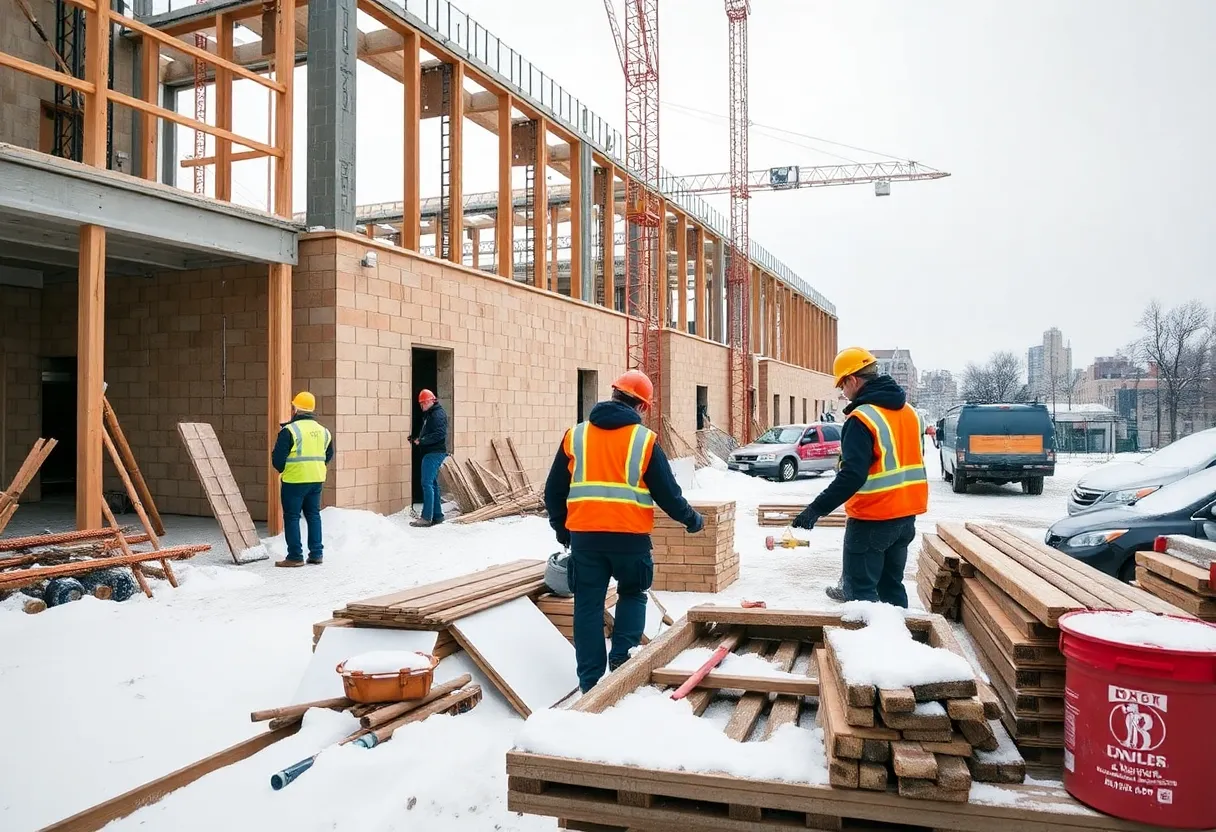
Severe cold temperatures slow down or halt construction activities, especially exterior work like concrete pouring, foundation setting, and roofing. Snow and ice complicate logistics, increase safety risks, and extend project timelines.
Additionally, winter precipitation affects soil conditions. Frozen ground can delay foundation work, and thawing soil might lead to soil instability or settling issues.
Mitigation Strategies
Homeowners and builders plan construction around seasonal weather patterns. Employing protective coverings, heating enclosures, and flexible schedules help minimize delays. Selecting weather-resistant materials also enhances project resilience.
2. Regulatory Compliance and Permitting Complexities
Milwaukee enforces building codes aimed at ensuring safety, energy efficiency, and community standards.
Challenges in Navigating Local Codes
The regulatory environment involves a series of permits, inspections, and compliance requirements. This process can be time-consuming and complicated, especially for first-time homeowners or those unfamiliar with local regulations.
Examples include zoning restrictions, setback requirements, and historic district guidelines—common in Milwaukee’s older neighborhoods.
Potential Consequences of Non-Compliance
Failure to adhere to regulations can result in costly fines, delays, or even order to demolish non-compliant construction. This underscores the importance of working with experienced professionals familiar with local codes.
3. Material Availability and Supply Chain Disruptions
Global supply chain issues have impacted material availability across the construction industry, and Milwaukee is no exception.
Impact on Project Timelines and Costs
Shortages of key building materials such as lumber, steel, and specialized fixtures delay project progression. Increased demand and transportation disruptions raise costs, impacting budgets significantly.
For example, a shortage in high-quality lumber can push back framing schedules or elevate overall project expenses.
Strategies to Address Supply Chain Challenges
Proactive planning, including early procurement of materials and selecting alternative or locally sourced products, helps mitigate delays. Maintaining open communication with suppliers is critical for timely updates.
4. Skilled Labor Shortage
The construction industry nationwide faces a persistent shortage of skilled workers such as carpenters, masons, electricians, and plumbers.
Consequences for Milwaukee Homeowners
This shortage causes longer project timelines and potential compromises in quality. Contractors may face difficulties scheduling adequate skilled labor, leading to increased costs and project delays.
Some projects experience incomplete work or inexperienced craftsmanship, jeopardizing the longevity and safety of the home.
Addressing the Labor Shortage
Homeowners benefit from engaging reputable builders with established training programs. Offering competitive wages and creating attractive work environments may help attract skilled workers. Long-term planning and selecting experienced contractors reduce risks associated with workforce shortages.
5. Environmental and Sustainability Considerations
Modern homeowners increasingly prioritize eco-friendly and sustainable construction practices. In Milwaukee, this trend adds complexity to home building projects.
Regulations and Incentives
State and local incentives encourage green building practices such as energy-efficient HVAC systems, solar panel installation, and sustainable materials. Compliance with these standards often requires additional planning and investment.
That said, integrating sustainable features may involve navigating new or evolving codes, which can complicate design and approval processes.
Environmental Challenges and Choices
The local environment, including proximity to wetlands or protected areas, influences site selection and construction methods. Efficient use of space and resources, along with eco-conscious design, can mitigate environmental impacts.
Balancing these considerations with budget constraints represents a significant challenge for homeowners aiming for sustainable homes.
Conclusion
Milwaukee homeowners face a complex landscape when constructing or renovating their homes. From weather and regulatory issues each season to supply chain dynamics and workforce challenges, these hurdles require careful planning. Recognizing these top five construction challenges enables homeowners to collaborate effectively with experienced professionals and make informed decisions. Through proactive management and strategic choices, they can overcome hurdles and realize their vision of a durable, efficient, and sustainable home.