

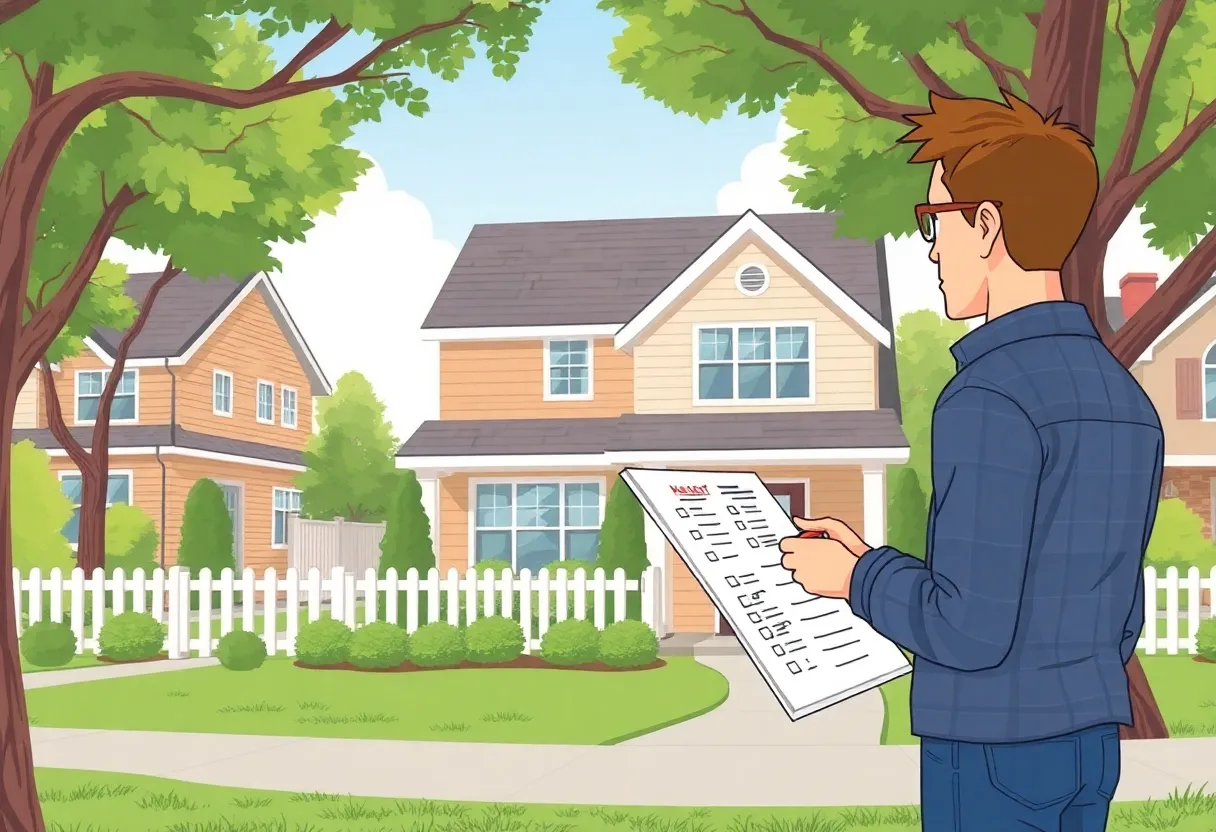
10 Essential Tips for First-Time Buyers to Effectively Evaluate Home Safety Features
Purchasing a new home is a significant milestone, especially for first-time buyers. Beyond aesthetic appeal and location, evaluating home safety features is critical to ensure long-term security and peace of mind. This guide provides ten comprehensive tips to help prospective homeowners assess safety elements thoroughly and objectively during the buying process.
1. Conduct a Comprehensive Safety Inspection
Initiate the evaluation by conducting a detailed home safety inspection. Focus on structural stability, fire prevention measures, security systems, and environmental hazards. This initial assessment identifies immediate concerns and guides further detailed examinations.
Engage a professional inspector if possible. Certified inspectors have the expertise to detect issues that may not be visible to the untrained eye, such as foundation weaknesses, electrical wiring problems, or asbestos presence. Prioritize areas that directly impact residents’ safety.
2. Examine Security System and Accessibility Features
Assess existing security measures thoroughly. Confirm the presence of quality locks, deadbolts, security cameras, and motion sensor lighting. Check if the system allows for easy upgrade or integration with contemporary smart home security devices.
Furthermore, evaluate the home’s accessibility features: ramps, wide doorways, and handle heights. These not only contribute to Safety for children or elderly residents but also ensure easy escape routes in emergencies.
3. Inspect the Fire Safety Measures
An essential aspect of home safety involves fire prevention and preparedness. Confirm the presence of smoke detectors and carbon monoxide alarms in appropriate locations, such as the kitchen, bedrooms, and near the garage.
Ensure detectors are operational and have recent batteries. Check whether fire extinguishers are available, accessible, and appropriately rated for different types of fires. This proactive check minimizes risks and prepares residents for emergencies.
4. Assess the Electrical System
Electrical system safety is paramount. Examine the wiring condition, circuit breaker ratings, and ground-fault circuit interrupters (GFCIs) in bathrooms, kitchens, and outdoor outlets.
Look for signs of outdated wiring, frequent flickering lights, or tripped breakers. Faulty electrical systems pose fire hazards and can cause safety interruptions. An electrician’s assessment may be necessary to verify compliance with current safety standards.
5. Review Environmental Hazards
Environmental hazards directly threaten safety. Check for signs of asbestos, lead-based paint, radon, or mold—these elements can have significant health implications.
Test for radon levels, especially in basements, and request documentation of previous environmental inspections or remediation efforts. A safe home minimizes exposure to these hazards, particularly for vulnerable populations.
6. Evaluate Structural Integrity and Entry Points
Solid foundation, roof, walls, and windows are fundamental to home safety. Look for cracks, water damage, or signs of deterioration that could compromise safety or security.
Check all entry points for secure locks, sturdy frames, and window security locks or bars if necessary. Ensure that emergency exits are accessible, clearly marked, and unobstructed.
7. Analyze Emergency Evacuation Planning
A well-designed evacuation plan is essential. Confirm that there are accessible exits, and assess whether residents can easily escape in case of fire, flood, or other emergencies.
Consider the proximity of fire exits, staircases, or fire escapes in multi-story homes. Clear pathways and emergency lighting contribute to safe evacuation routes during crises.
8. Inspect Outdoor Safety Measures
Evaluate outdoor spaces for safety hazards. Look for secure fencing, well-maintained walkways, and proper lighting to deter intruders and prevent accidents.
Check the condition of swimming pools, trampolines, or other recreational equipment. Verify pool fencing, alarms, and safety coverings to prevent child accidents.
9. Confirm Local Safety and Crime Statistics
While specific crime data isn’t always available through inspection, prospective buyers should research local crime patterns. Engage with neighborhood associations, local law enforcement, or community groups to understand the safety climate.
Areas with high crime rates or frequent incidents warrant particular attention to security features and possibly influence future safety upgrades.
10. Document and Prioritize Potential Safety Improvements
After completing evaluations, compile a comprehensive list of safety features with notes on necessary repairs or upgrades.
Prioritize these based on urgency and budget, focusing first on hazards that pose immediate risks, such as faulty wiring or structural weaknesses.
This documentation aids in negotiating repairs with sellers or planning future investments for home safety enhancements.
Conclusion
For first-time homebuyers, a systematic approach to assessing safety features is crucial. By focusing on structural integrity, fire and security measures, environmental hazards, and emergency planning, buyers can make informed decisions that contribute to the safety and longevity of their investment.
Remember, maintaining key safety features and addressing potential risks early significantly reduces hazards and enhances quality of life for all residents.

Author: STAFF HERE MILWAUKEE WRITER
MILWAUKEE STAFF WRITER The MILWAUKEE STAFF WRITER represents the experienced team at HEREMilwaukee.com, your go-to source for actionable local news and information in Milwaukee, Milwaukee County, and beyond. Specializing in "news you can use," we cover essential topics like product reviews for personal and business needs, local business directories, politics, real estate trends, neighborhood insights, and state news affecting the area—with deep expertise drawn from years of dedicated reporting and strong community input, including local press releases and business updates. We deliver top reporting on high-value events such as Summerfest, Milwaukee Film Festival, and the Milwaukee Boat Show. Our coverage extends to key organizations like the Metropolitan Milwaukee Association of Commerce and Visit Milwaukee, plus leading businesses in manufacturing and brewing that power the local economy such as Harley-Davidson and MillerCoors. As part of the broader HERE network, we provide comprehensive, credible insights into Wisconsin's dynamic landscape.