

News Summary
In a remarkable account of survival, Frances Burney underwent a mastectomy without anesthesia in 1811 after being diagnosed with breast cancer. The procedure revealed the historical struggle against pain in medical practices prior to anesthesia’s invention. Despite the harrowing experience, Burney survived for 29 years following the surgery, highlighting the evolution of surgical methods and the impact of patient resilience. Her ordeal emphasizes the significant advancements in medical procedures that prioritize patient comfort and safety today.
London – In a remarkable account of survival and resilience, English novelist Frances Burney underwent a pioneering mastectomy without anesthesia in 1811, after being diagnosed with breast cancer at the age of 59. The operation was proposed by French doctors as the only means to preserve her life. At that time, surgical anesthesia was still 50 years away from invention, making her experience both harrowing and significant in medical history.
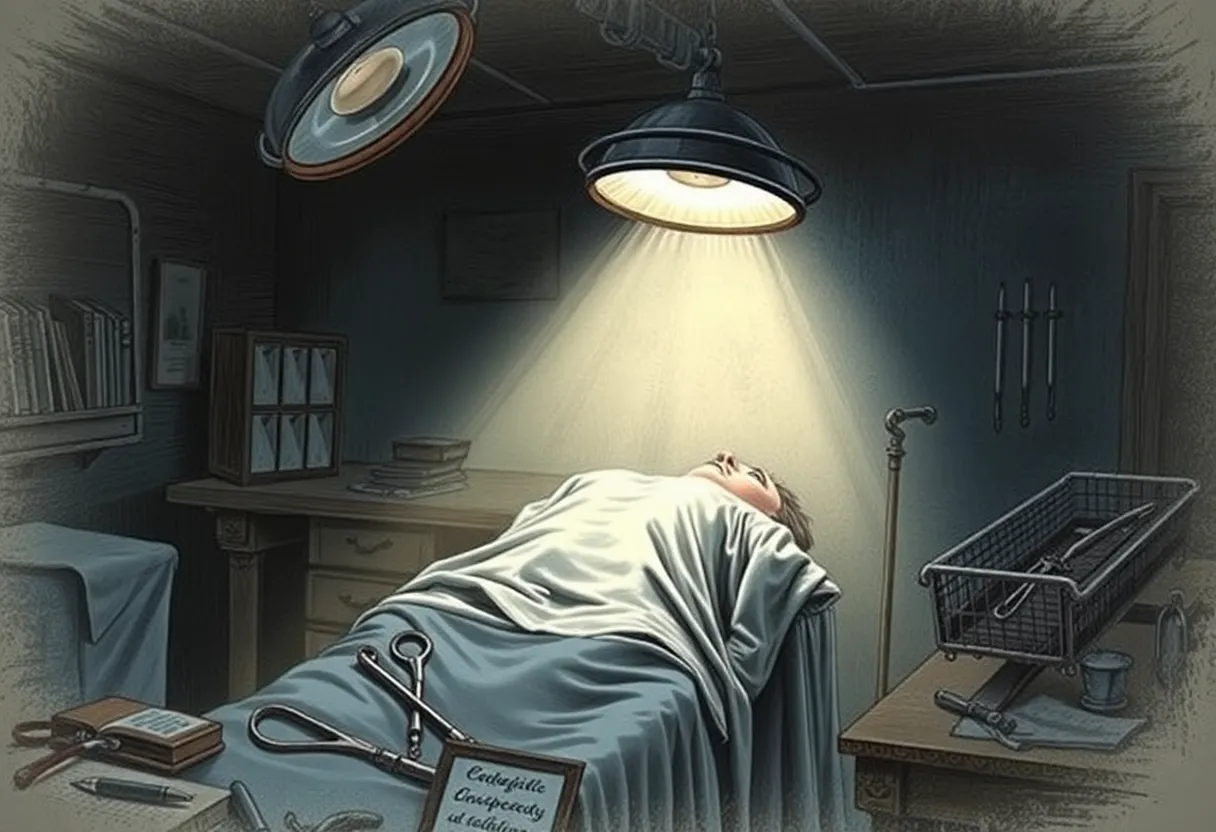
The procedure took place under dire circumstances, as the prospect of enduring surgery without any form of pain relief filled Burney with dread. To manage her movements during the operation, on the day of surgery, she was blindfolded and restrained by multiple assistants. This precaution was essential to prevent her from reacting to the intense pain she was about to endure.
Throughout the operation, Burney described her suffering in vivid detail, revealing that she lost consciousness twice due to the sheer intensity of the pain. Despite the brutality of the surgery, it was ultimately deemed successful, and remarkably, she survived for another 29 years after the ordeal.
Burney’s account stands as a testament to the historical struggle against pain in medical procedures. Prior to the advent of effective anesthesia in the mid-19th century, surgery was often a last resort, reserved only for life-threatening conditions. October 16, 1846, heralds a significant turning point in surgical history as it marks the first successful use of ether as an anesthetic by American doctors, subsequently revolutionizing surgical practices.
The Historical Context and Evolution of Surgical Practices
Before the widespread use of anesthesia, ancient civilizations employed various methods to alleviate pain during surgical procedures. Techniques ranged from the use of opium and herbal concoctions to hypnosis, with the Persian physician Ibn Sina being known for documenting herbal anesthesia techniques, particularly the “soporific sponge.” Furthermore, in ancient Peru, trepanation, or drilling holes in the skull, was commonly performed to treat head injuries without the benefits of pain relief.
The lack of anesthesia demanded rapid surgical techniques; surgeons in the early 19th century, such as Robert Liston, became known for their speed, completing amputations in as little as 25 seconds. However, the absence of pain relief often led to tragic outcomes, as evidenced by one of Liston’s surgeries that resulted in the accidental cutting of an assistant’s fingers, leading to infections and subsequent deaths.
The Role of Hypnosis and Cultural Impact
In the decades prior to the introduction of ether, hypnosis, known as mesmerism, was attempted as an alternative to alleviate pain during surgical procedures. However, it was not until the public and medical communities accepted ether as a viable anesthetic that attitudes towards surgery began to change significantly. The incorporation of anesthesia not only transformed the practice of surgery but also greatly altered public perceptions of medical interventions.
Frances Burney’s harrowing experience and survival can be seen as a symbol of the challenging evolution of surgical practices. Medical historians often reflect on this period as one marked by a relentless battle against pain, emphasizing the profound implications of Burney’s story on the understanding of patient care and the development of surgical techniques that followed.
The historical significance of Burney’s experience highlights a time when medical advancements were still nascent. It emphasizes the resilience of patients and the continual evolution of surgical practices leading to today’s advanced, less painful procedures that prioritize patient comfort and safety.
Deeper Dive: News & Info About This Topic
HERE Resources
Additional Resources
- Baptist Press: Scopes Trial – A Defining Moment in U.S. History
- Wikipedia: Medical History
- KTVU: Video Report
- Google Search: Medical Advancements
- Billy Penn: Young People’s Continental Congress Philly 2025
- Google Scholar: Anesthesia History
- Vox: Disney’s America – A U.S. History Theme Park that Failed
- Encyclopedia Britannica: Anesthesia
- Washington Post: Largest U.S. Health Care Fraud Bust
- Google News: History of Surgery